Three hundred years ago, if you wanted to become a blacksmith, you didn’t enroll in a class at the community college or watch training videos online. You lived alongside a master blacksmith, learned their craft over years, and gained not just skills but also wisdom, confidence, and pride in your work. Apprenticeship was far more than training. It was meaningful connection.
Today in the trades, we’ve lost a lot of that. We rush new workers through onboarding, throw them a few videos, and push them to the jobsite to “figure it out.” The result? Frustrated employees, avoidable mistakes, and turnover that hurts the bottom line.
But there’s a better way: mentorship.
Why Mentorship in Blue Collar Work Matters
When blue collar leaders talk about apprenticeship today, what they usually mean is a structured training program. While that’s valuable, it lacks the personal side. And it’s that missing bond between someone experienced and someone new that builds the next generation.
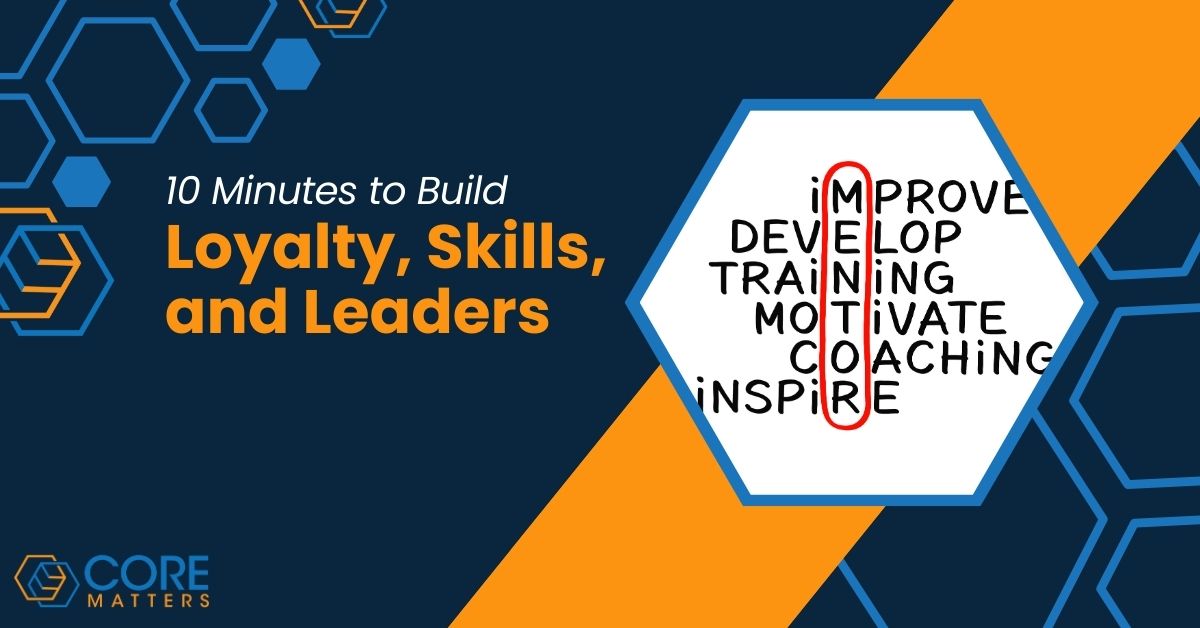
This is where mentorship comes in. A mentorship program doesn’t require a huge budget or 200-page process manual. All you need is a few eager mentors, open-minded mentees, and a leadership team willing to prioritize people.
Mentorship in blue collar work empowers employees, builds career momentum, and creates the kind of loyalty money can’t buy. When employees feel invested in, they invest back into your company.
Step One: Pair With Purpose
The success of mentorship in blue collar work begins with the match. If you throw names in a hat, shake it up, and call it good, you’re setting your team up for failure.
Instead, pair with intention:
- Find the right match. You need to consider skills, goals, and personality fit. A quiet and calm drywall finisher mentoring a new hire who’s overflowing with energy and wants to move fast probably doesn’t make a good pair.
- Choose eager mentors. This isn’t a mandatory program. The mentor has to want to mentor. It’s not just another responsibility to tack on or checkbox to fill.
- Choose receptive mentees. If you hired someone who doesn’t want to learn, you need to reassess your hiring process.
Think of your mentor program like a building project: if you cut corners at the start, the structure will never be solid. If you want your mentorship program to work, you have to put a lot of thought into who you pair together. That’s where the magic happens for your team.
Step Two: Growth-Focused Mentorship
Mentorship in blue collar companies only works when it’s intentional. That’s why you should set aside ten minutes a week, yes even 10 minutes makes a difference, to focus specifically on mentee growth.
These quick check-ins can cover topics like:
- Skill-building on the jobsite
- Certifications and safety training
- Leadership development
- Career path planning
- Understanding company culture
A simple conversation might start with: What was the toughest challenge you faced this week?… Here’s how I handled something similar…
Hands-on, real-time teaching makes a far greater impact than watching another training video. As a business leader, you have to give them the time and the tools to make it happen.
Step Three: Celebrate & Measure Progress
Recognition is fuel for growth. Don’t let mentorship become invisible work.
- Track growth. Use quarterly check-ins to document progress.
- Celebrate wins early and often. Even small milestones matter: like a mentee confidently operating equipment solo for the first time.
- Encourage two-way learning. Good mentors also learn from mentees.
Watch your team light up the next time a leader takes two minutes in front of the group to recognize a mentee’s growth. The mentor and the mentee shine, but everyone else lights up when they remember how they felt when they hit similar milestones. Those moments stick and drive loyalty.
The celebration is what keeps the momentum going. Celebrate early and often.
Tips for Mentors
Great mentors don’t just tell people what to do. They shape careers and change lives.
A few quick reminders for your mentors:
- Listen more than you talk.
- Share your experiences, not just advice.
- Follow the “Explain, Show, Let them go” model.
When in doubt, remember: mentorship is about building people, not just building projects.
*Contact Core Matters for our complete list of “Key Principles of Great Mentorship” for a quick guide to share with your mentors.
Mental Health & Human Connection
The blue collar world struggles with high stress and burnout. Mentorship directly combats that by:
- Giving new hires someone to confide in.
- Creating friendships that boost engagement.
- Building role models for mentees and a sense of purpose for mentors.
According to Gallup’s Q12 engagement tool, having a best friend at work is one of the strongest predictors of engagement and retention. A simple mentorship program makes those friendships possible.
Why Mentorship Works
Mentorship works when it puts the employees’ needs first. This process is about the employees, not the company. When employees are paired well and supported consistently, they stay longer, grow faster, and eventually become mentors themselves.
What we’ve seen over time is that when someone is mentored well, they go on to become a mentor down the road. That’s the beauty of mentorship: it creates a cycle where today’s mentees become tomorrow’s mentors.
If you want to build a bench of future leaders, you have to put a mentorship program in place as soon as possible. According to a survey by the American Society for Training and Development, 75% of people say mentoring has played an important part in their career development.
We have to start looking at mentorship as the way we build up the next generation.
It’s Time to Take Action
If you want to build a bench of future leaders, you can’t wait. Put a mentorship program into place now. It doesn’t have to be complicated. It just has to be consistent.
For more information on how to structure your on-the-job mentorship program, including what to do, how to be an effective mentor, a mentee’s accountability checklist, training agendas, and more, reach out to us. We’ve already done the heavy lifting to create a program.